
The Waterlogged Problem at the Heart of Clean Hydrogen Power
For all the promise hydrogen fuel cells have carried for decades, a remarkably mundane obstacle has kept them from fulfilling it.

Category
239 articles · page 2 of 20
For all the promise hydrogen fuel cells have carried for decades, a remarkably mundane obstacle has kept them from fulfilling it.

Before any generator hums, before any turbine turns, there is a material. Thin enough to be invisible to the naked eye. Quiet enough to mistake for inert.

At the KATRIN experiment, researchers are studying the mass of elementary particles that interact with matter only extremely rarely: neutrinos.
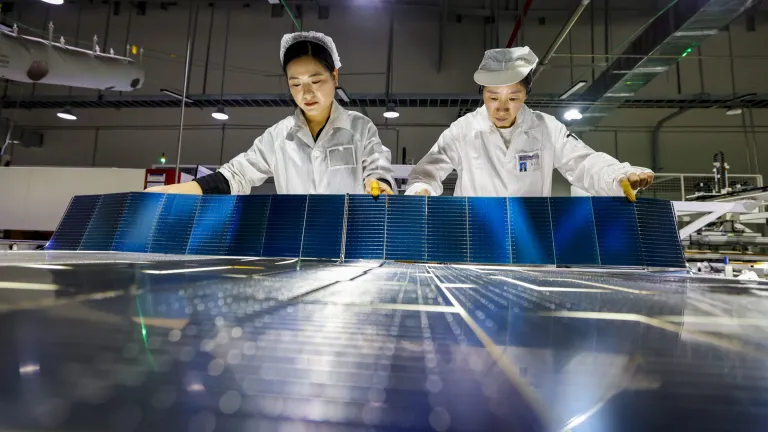
A Turning Point in Iran’s Energy Landscape We are witnessing a decisive transformation in the energy strategy of Iran. Surging global...

The world's energy landscape is shifting rapidly, and Gulf oil investors are leading a historic capital migration toward African renewable energy projects.

Climate change is literally making our days longer—and scientists say it's happening at a speed not seen since the late Pliocene epoch…
Cern researchers are testing traps capable of moving antimatter, which explodes into energy as soon as it comes into contact with regular matter

Gogoro announced it has entered into a share purchase agreement with its largest shareholder, Gold Sino Assets Limited, for a new equity investment…

Earth is continuously bombarded by cosmic rays—extremely energetic particles (mostly protons and atomic nuclei) coming from space.

Far below the surface of the Mediterranean Sea, a network of sensors watches the darkness.

Under most discussions of artificial intelligence in energy, the conversation begins in the wrong place.

The provocation sounds almost childish when stated plainly. Why send signals around the Earth when nature already sends particles straight through it.