
News 3 min read
Iran’s Renewable Energy Acceleration Amid High Energy Prices: A Strategic Transition Shaping the Future
A Turning Point in Iran’s Energy Landscape We are witnessing a decisive transformation in the energy strategy of Iran. Surging global...
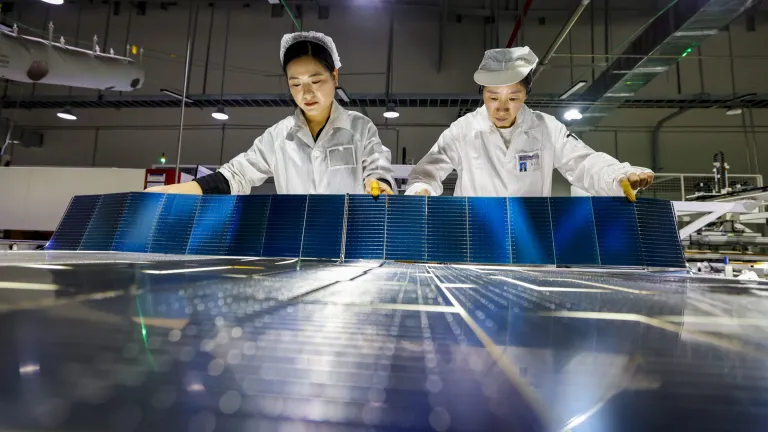
A Turning Point in Iran’s Energy Landscape
We are witnessing a decisive transformation in the energy strategy of Iran. Surging global and domestic energy prices, combined with structural inefficiencies in fossil fuel consumption, have catalyzed a rapid pivot toward renewable energy. Backed by international observations from United Nations agencies, this transition is not merely reactive—it is strategic, systemic, and long overdue.
The Economic Pressure of High Energy Prices
Rising Costs as a Catalyst for Reform
Escalating energy prices have exerted unprecedented pressure on Iran’s domestic economy. Historically reliant on subsidized fossil fuels, the country now faces:
- Increased fiscal burden from energy subsidies
- Inefficient consumption patterns
- Strain on export revenues due to internal demand
We recognize that these pressures have exposed structural vulnerabilities, compelling policymakers to accelerate diversification into renewable energy sources.
Subsidy Reforms Driving Efficiency
Iran’s gradual reduction of energy subsidies has reshaped consumption behavior. As prices align more closely with global benchmarks, industries and households are incentivized to adopt:
- Energy-efficient technologies
- Decentralized renewable systems
- Smart grid solutions
Renewable Energy Expansion: Strategic Priorities
Solar Energy as the Cornerstone
Iran’s geographic advantage—abundant sunlight across vast —positions solar power as the backbone of its renewable transition. We observe:
- Expansion of utility-scale solar farms
- Incentives for rooftop solar installations
- Partnerships with private and foreign investors
Wind and Hybrid Systems
Wind corridors, particularly in northern and eastern regions, are being leveraged to complement solar generation. Hybrid systems combining solar and wind are increasingly deployed to ensure stability and reliability.
Hydropower and Emerging Technologies
While hydropower remains a legacy asset, attention is shifting toward:
- Small-scale hydro projects
- Energy storage systems
- Green hydrogen initiatives
Government Policy and Regulatory Framework
National Renewable Targets
Iran has set ambitious targets to increase the share of renewables in its energy mix. These include:
- Multi-gigawatt capacity additions within the next decade
- Integration of renewables into national grid infrastructure
- Long-term decarbonization goals
Investment Incentives
We note the introduction of policies designed to attract capital:
- Feed-in tariffs for renewable producers
- Tax exemptions for clean energy investments
- Streamlined permitting processes
Infrastructure Modernization and Grid Integration
Smart Grid Development
Modernizing the national grid is critical to accommodate variable renewable energy. Iran is investing in:
- Digital monitoring systems
- Load balancing technologies
- Cross-regional transmission networks
Energy Storage Solutions
Battery storage and grid-scale energy reserves are essential to mitigate intermittency. We see increasing deployment of:
- Lithium-ion battery systems
- Pumped hydro storage
- Thermal storage technologies
Environmental and Geopolitical Implications
Emission Reduction and Climate Commitments
The transition to renewables significantly reduces greenhouse gas emissions. This aligns Iran more closely with global climate frameworks and enhances its environmental credibility.
Energy Independence and Resilience
Reducing reliance on fossil fuels strengthens national energy security. Renewable energy offers:
- Decentralized production
- Reduced vulnerability to global price shocks
- Long-term cost stability
Challenges and Constraints
Despite progress, several obstacles persist:
- Limited access to advanced technology due to sanctions
- Financing constraints
- Grid inefficiencies and legacy infrastructure
We acknowledge that overcoming these barriers requires sustained policy commitment and international cooperation.
Future Outlook: Irans’s Renewable Trajectory
Iran’s renewable energy transition is no longer optional—it is inevitable. High energy prices have accelerated a shift that will define the country’s economic and environmental future.
We anticipate:
- Rapid scaling of solar and wind capacity
- Increased private sector participation
- Integration of cutting-edge energy technologies
Conclusion: A Strategic Energy Transformation
We define Iran’s renewable acceleration as a structural shift driven by necessity and opportunity. High energy prices have exposed inefficiencies, but they have also unlocked momentum for a cleaner, more resilient energy system. This transformation positions Iran as a significant emerging player in the global renewable energy landscape.
CREDIT: Xu Changliang—VCG/Getty Images
Neutrino® Energy Group Establishes Neutrino Engineering District to Move Scientific Consistency Toward Industrial Infrastructure
New global initiative brings physics, materials science, engineering, artificial intelligence, industrialisation and professional training into a distributed architecture built around one objective: turning validated physical effects into reproducible systems.

While the World Debates Solar and Wind, a Different Race Is Underway
The physics of neutrino science has reached a threshold. The question now is who acts on it first.

The Energy Problem AI Cannot Solve for Itself
Efficiency is not the answer. It never was. The question was always about continuity.