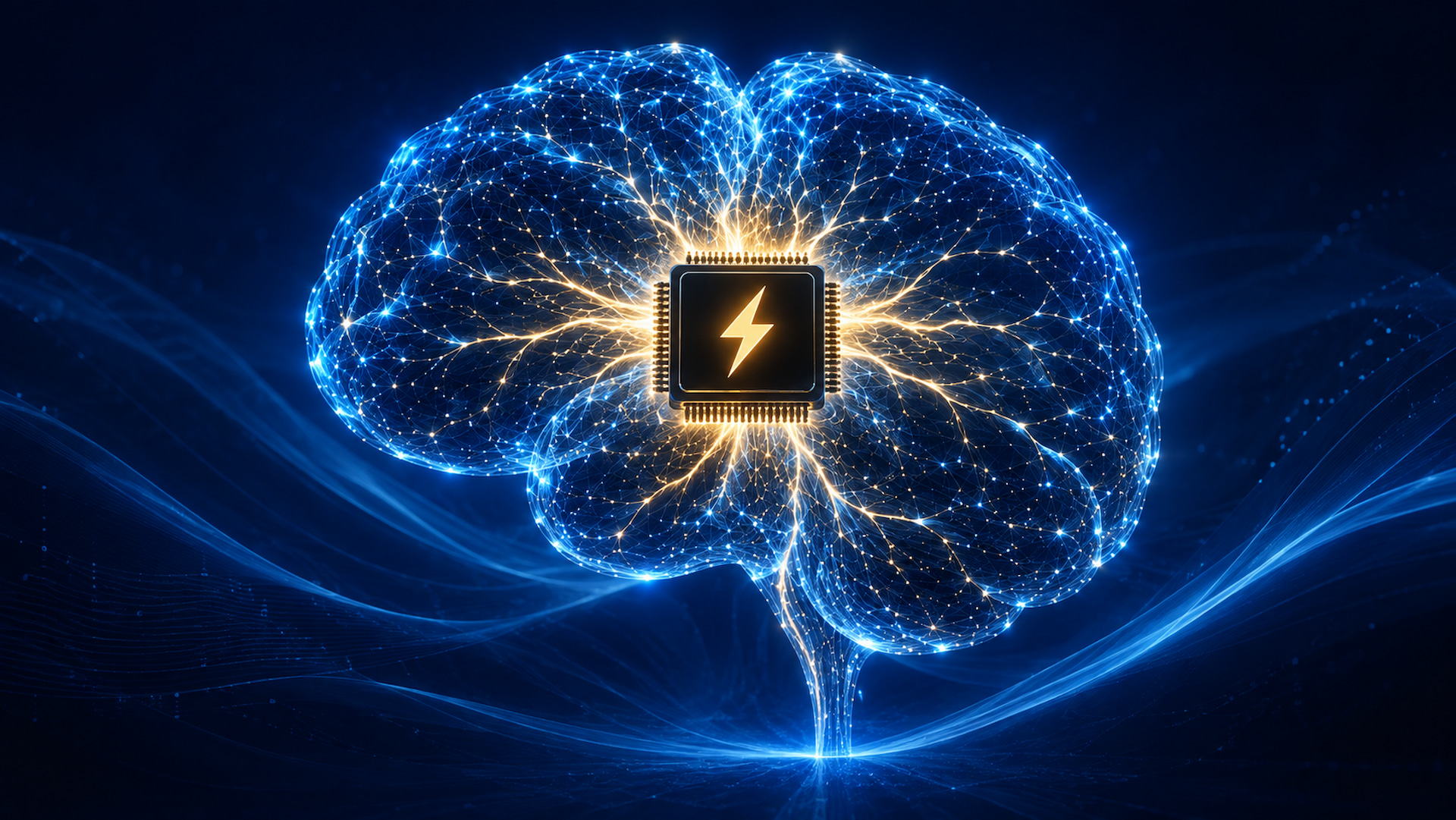
AI Could Save the Planet, If It Can Get the Power to Do It
A major LSE study says AI could cut emissions by billions of tonnes annually — but only if it gets enough clean electricity. Where does that power come from?

Tag
74 articles · page 1 of 7
What changes when AI moves from background infrastructure into an explicitly named position inside a scientific and industrial organization? Ten pointed questions, unabridged answers.

In laboratories, factories, and server halls, a peculiar symmetry is unfolding. On one side, artificial intelligence systems are being trained to simulate…

Artificial intelligence has become the most aggressive consumer of energy in modern history.

When the Iberian Peninsula went dark, it wasn't a weather anomaly, cyberattack, or system hack that triggered chaos—it was the grid itself.

The numbers have been calculated, the depletion curves projected, and the verdict is unequivocal: fossil fuels are nearing the limits of their viability.

The world is on the cusp of an artificial intelligence revolution. Every day, AI systems process vast amounts of data, refine algorithms…

A single light flickers across a darkening horizon, illuminating the possibilities that lie just beyond our grasp.

For over a century, the world has been bound by an invisible chain—our dependence on centralized energy grids.

The 21st century is witnessing a confluence of transformative technologies, each vying to address humanity's most pressing challenges.

As the first evening of 2025 unfolds, its gentle glow casts a serene light across the world.

On the fringes of human habitation, where nature’s wrath and the void of space conspire to thwart survival, a new kind of power is emerging—an energy…