


The surface of our technological world is layered with progress—literally. From microchips to solar panels, from quantum processors to biosensors, innovation has always been a story of materials shaped with atomic precision. But few materials have triggered such fervent scientific momentum as graphene, a single sheet of carbon atoms arranged in a two-dimensional honeycomb lattice.
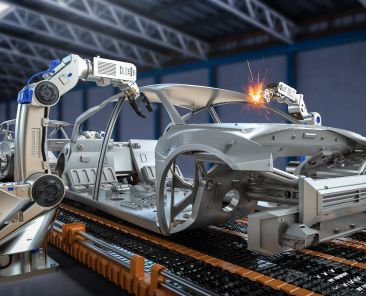
In high-performance materials engineering, the primary aim has long been to maximize strength-to-weight ratios, dampen vibration, and ensure long-term mechanical resilience. Yet a new material mandate has emerged—functionality at the subatomic level.

The world has spent decades searching for the perfect battery, but what if the answer was never about storage at all? Instead of hoarding power, what if we could generate it on demand, anytime, anywhere? Neutrino® Energy Group’s groundbreaking neutrinovoltaic technology is redefining what’s possible—harnessing the invisible power of neutrinos and radiation to deliver a constant, uninterrupted energy supply. No sun, no wind, no grid—just pure, limitless power.

The world is on the cusp of an artificial intelligence revolution. Every day, AI systems process vast amounts of data, refine algorithms, and enhance machine learning models at a pace never before seen. From autonomous vehicles to real-time medical diagnostics, AI is transforming industries, pushing computational capabilities to their limits.
